# 禾赛科技,我们如何让科技公司的产品与技术被理解:用视觉设计翻译技术能力 - ID: 85 - URL: https://www.stoyard.com/viewpoint/85 - English URL: https://www.stoyard.com/en/viewpoint/85 - Category: 客户故事 - English Category: Customer Story - English Title: How we make tech companies' products and technologies understood: Translating technical capabilities with visual design ## 中文主体 > 科技公司经常面对一个悖论:产品越复杂,越需要被准确解释;但解释得越完整,用户越可能失去耐心。研发团队习惯用参数、结构和技术路径证明能力,市场却需要在更短时间内回答几个直接问题:它解决什么问题?比其他方案强在哪里?这些优势是否可信? 科技公司经常面对一个悖论:产品越复杂,越需要被准确解释;但解释得越完整,用户越可能失去耐心。研发团队习惯用参数、结构和技术路径证明能力,市场却需要在更短时间内回答几个直接问题:它解决什么问题?比其他方案强在哪里?这些优势是否可信? **技术不会因为先进就自动被理解。未经翻译的专业能力,只能停留在企业内部;只有当技术被组织成清晰的视觉证据,它才可能进入客户、市场与资本的判断。**  观点配图:从“技术参数”到“场景理解”,再到“商业信任”,视觉设计承担的是技术翻译,而不是表面包装。 STOYARD 从零到一为禾赛科技搭建官方网站,并自 2019 年起持续提供策划、设计、动态内容与技术开发服务。这个项目的核心任务,并不是为一家激光雷达企业制造“科技感”,而是帮助不同背景的访问者理解:产品如何感知世界,关键参数意味着什么,以及这些能力为什么值得信任。 #### #### #### 1. 技术传播最常见的问题,不是信息太少,而是缺少翻译 激光雷达产品拥有明确的技术指标:探测距离、角分辨率、视场角、点云密度、抗干扰能力和环境适应性。这些信息对于研发团队十分具体,但对于采购、管理者、投资者或非同领域客户而言,它们首先是一组需要被解释的数字。 许多技术型官网把“专业”理解为完整呈现,于是产品页充满术语、参数表和结构说明。信息看起来足够丰富,用户却仍然难以回答:这个数字在真实道路上意味着什么?它会怎样影响识别、安全或系统决策?与其他产品相比,差异究竟在哪里? **参数是真实的,但参数不会自动形成价值。**如果企业只给出技术语言,却没有提供理解路径,官网就把翻译工作留给了客户。而大多数客户不会替企业完成这项工作。 #### #### 2. 视觉翻译不是简化技术,而是保留技术关系 “让技术容易理解”并不意味着把内容变浅。过度简化会牺牲准确性,最终只剩“更远、更快、更清晰”等无法被验证的营销判断。视觉翻译真正要做的,是识别技术中最关键的关系,并为这种关系找到合适的表达方式。 在禾赛科技官网中,产品不是孤立地陈列在页面中央。产品外观与探测距离、视场范围、点云结果、道路环境和系统结构被放在同一条叙事链路中。数字负责给出精确结论,图形负责解释空间关系,真实数据负责提供可信证据。 **好的技术可视化不会替技术发明意义,而是把已经存在的意义显现出来。**它不改变事实,只改变事实被理解的效率。 #### #### 3. 第一步:把参数从数字变成可以看见的能力 当页面介绍探测距离时,仅显示“200m”并不足够。设计将数字与道路点云、车辆位置和距离标尺结合,让用户能够直观看到感知范围。当页面介绍垂直视场角时,光束覆盖关系被放回车辆与道路环境,参数由抽象角度转化为实际覆盖能力。 识别清晰度、视场范围与抗干扰能力也采用相同逻辑:先给出可量化事实,再呈现事实对应的视觉结果,最后说明它对使用场景的意义。参数、图形与场景彼此印证,而不是分别存在。 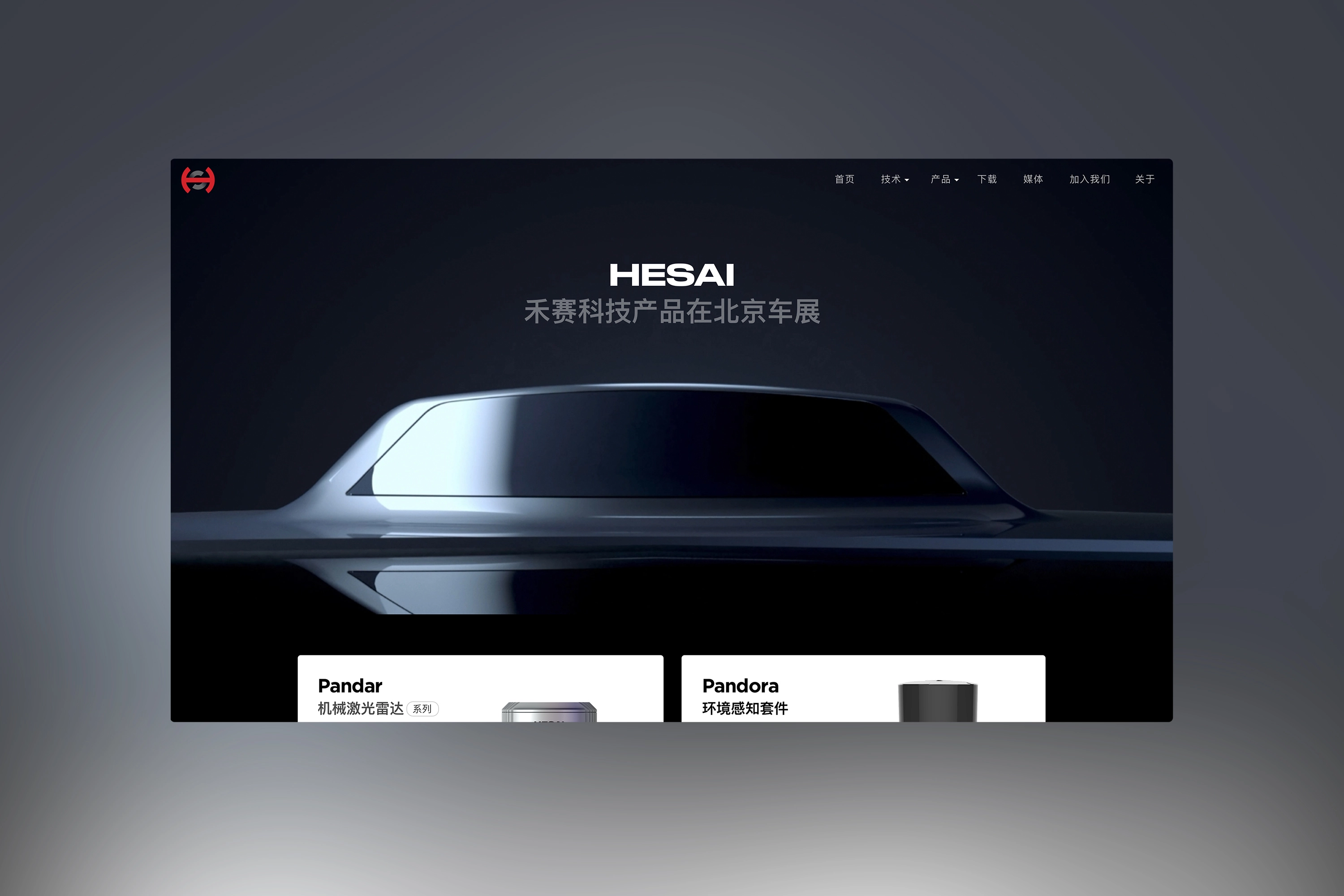 Pandar64 产品长页。关键参数被放入点云、道路与车辆关系中,使技术能力能够被直接观察。 **客户真正需要的不是更多数字,而是更少的猜测。**视觉设计的价值,就是减少参数与判断之间的距离。 #### #### 4. 第二步:用信息层级控制技术理解的顺序 技术型产品往往同时拥有大量卖点。如果所有能力都被放在同一层级,页面看似完整,实际却没有重点。用户必须自己判断哪些信息最关键,而企业也失去了主动建立认知的机会。 项目通过信息架构建立明确顺序:先识别产品与应用方向,再理解最具差异性的核心能力,随后进入完整参数、技术资料与行动入口。产品名称、核心数字、场景图形和解释文字形成稳定层级,让专业用户可以深入,也让非专业用户能够先获得结论。 **信息架构不是内容整理,而是企业替市场确定判断顺序。**先讲什么、后讲什么、哪些内容必须被看见,本质上都是品牌战略与产品战略的外化。 #### #### 5. 第三步:让视觉效果承担解释,而不是只承担气氛 黑色界面、蓝色点云、扫描光束和三维动态很容易建立激光雷达行业的科技氛围,但“看起来像科技公司”并不是充分的设计成果。科技视觉只有与内容发生关系,才具有真正价值。 在项目中,点云用于呈现环境感知结果,光束用于解释探测范围,动态过程用于说明设备如何读取空间。色彩、图形和运动不是独立的装饰,而是技术内容的一部分。 **硬科技网站最廉价的做法,是用动态效果掩盖内容贫乏;更成熟的做法,是让每一次运动、每一张图形都回答一个具体问题。** #### #### 6. 跨端设计:屏幕变小,技术证据不能消失 桌面端有足够空间并置产品、参数与复杂图形,移动端却必须做出更明确的取舍。如果只是将桌面页面压缩,图表会失去可读性,技术说明会变成长段文字,用户最终只能看到产品外观。 禾赛科技官网在移动端重新组织内容密度:保留产品主视觉、核心指标、关键结构与联系入口,缩短解释路径,避免次要内容抢占有限注意力。屏幕尺寸发生变化,但用户完成判断所需的核心证据仍然存在。 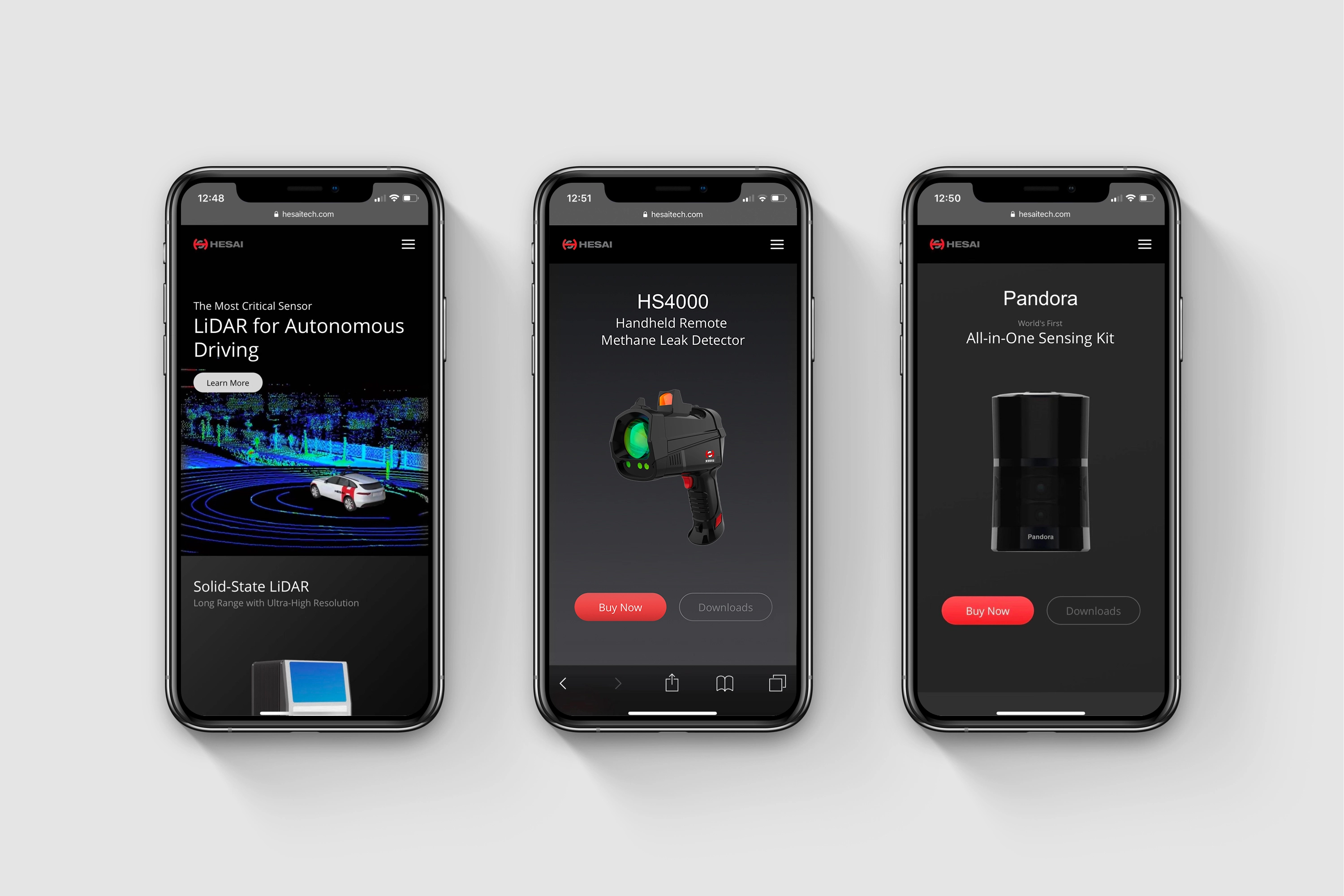 项目原作:移动端产品与品牌界面。跨端设计保留的不是桌面版全部内容,而是用户完成判断所需的关键证据。 #### #### 7. 从技术理解到商业信任,中间不能跳步 科技企业经常希望官网直接传递“领先”“可靠”和“值得合作”。但信任不是视觉风格直接制造出来的,也不能仅靠企业自我声明。它需要一条完整证据链:产品是什么,关键能力是什么,能力如何被验证,它在真实环境中解决什么问题。 技术参数提供事实,场景可视化建立理解,产品体系与持续更新则证明企业具有稳定交付能力。三者共同作用,专业形象才不只是“看起来专业”,而是拥有可供判断的依据。 **品牌信任不是设计出来的结论,而是设计帮助用户得出的结论。**视觉设计能够控制信息出现的方式,却必须让事实完成最终说服。 #### #### 8. 持续服务:技术在变化,翻译系统也必须持续更新 科技企业的产品、参数、应用场景与市场位置持续变化。官网如果只针对上线时的内容成立,很快就会成为过期资料的容器。真正有价值的数字系统,需要容纳新产品、新证据和新的企业阶段。 STOYARD 自 2019 年起持续为禾赛提供策划、设计、动态内容、技术开发与维护服务。长期协作使网站能够跟随产品矩阵和企业进展持续演进,也让技术表达在不同页面和时间节点中保持一致。 **成熟完整的交付,不只是完成一个网站,而是为企业建立一套可以持续使用的技术翻译系统。** #### #### 9. 视觉设计翻译技术能力,最终创造什么价值? 1. 让客户更快理解。**把术语和参数转化为场景关系,缩短从浏览信息到理解产品的路径。 2. 让优势更容易比较。**通过明确层级与视觉证据,让产品差异不再依赖销售人员反复解释。 3. 让专业更值得信任。**用可验证的事实支撑品牌判断,减少空泛口号对可信度的消耗。 4. 让官网支持长期增长。**通过可扩展的信息架构和持续服务,让新的产品与技术证据不断进入同一套表达系统。 ### **科技公司的竞争力,不只是拥有技术,而是让市场准确理解技术。** 视觉设计无法替代研发,也不应该把复杂技术包装成轻飘的营销概念。它真正能够做的,是找到技术事实、使用场景与用户判断之间的对应关系,并把这种关系变得清晰。 **STOYARD 所做的,不是替科技企业“美化参数”,而是帮助技术能力获得一种可以被市场理解的形式。**当参数能够被看见、差异能够被比较、价值能够被验证,技术才更有机会转化为品牌认知、客户信任与商业合作。 查看完整项目:[禾赛科技:激光雷达首家上市企业](https://www.stoyard.com/works/230) ## English Content > Tech companies often face a paradox: the more complex the product, the more accurate it needs to be explained; but the more complete the explanation, the more likely users are to lose patience. R & D teams are accustomed to proving their capabilities with Technology companies often face a paradox: the more complex a product is, the more accurately it needs to be explained; yet the more thoroughly it is explained, the more likely users are to lose patience. R&D teams are accustomed to demonstrating their capabilities through parameters, architectures, and technical approaches, but the market demands quick answers to a few straightforward questions: What problem does it solve? How does it outperform other solutions? And are these advantages credible? **Technology is not automatically understood just because it is advanced. Untranslated professional competence can only stay within the enterprise; only when technology is organized into clear visual evidence can it enter the judgment of customers, markets and capital.**  From "technical parameters" to "scene understanding" to "commercial trust", visual design is responsible for technical translation, not surface packaging. STOYARD built an official website for Wesai Technology from zero to one, and has continued to provide planning, design, dynamic content and technology development services since 2019. The core mission of this project is not to create a "technical sense" for a lidar company, but to help visitors from different backgrounds understand how the product perceives the world, what key parameters mean, and why these capabilities are trustworthy. #### #### #### 1. The most common problem in technology dissemination is not too little information, but lack of translation. Lidar products have clear technical indicators: detection distance, angular resolution, field of view, point cloud density, anti-interference ability and environmental adaptability. This information is very specific to the R & D team, but for procurement, managers, investors or non-domain customers, they are first and foremost a set of numbers that need to be interpreted. Many technical official websites understand "professional" as complete presentation, so the product page is full of terms, parameter lists and structural descriptions. The information seems rich enough, but it is still difficult for users to answer: what does this number mean on the real road? How will it affect identification, security or system decisions? What are the differences compared to other products? **Parameters are real, but parameters do not automatically form values.**If the enterprise only gives the technical language, but does not provide the understanding path, the official website will leave the translation work to the customer. Most customers will not do this for the business. #### #### 2. Visual translation is not to simplify technology, but to retain technical relationships "Making the technology easy to understand" does not mean making the content shallow. Over-simplification sacrifices accuracy and ends up with unverifiable marketing judgments such as "farther, faster, clearer. What visual translation really needs to do is to identify the most critical relationship in technology and find the appropriate expression for this relationship. In the official website of Wesai Technology, products are not displayed in isolation in the center of the page. Product appearance and detection distance, field of view range, point cloud results, road environment and system structure are placed in the same narrative link. Numbers are responsible for giving precise conclusions, graphics are responsible for explaining spatial relationships, and real data are responsible for providing credible evidence. **Good technology visualization does not invent meaning for technology, but rather reveals meaning that already exists.**It does not change the fact, only the efficiency with which the fact is understood. #### #### 3. The first step: the ability to change parameters from numbers to visible. When the detection distance is introduced on the page, it is not sufficient to display only "200m. The design combines numbers with road point clouds, vehicle position and distance scales to give users a visual view of the perceived range. When the page introduces the vertical field of view, the beam coverage relationship is put back into the vehicle and road environment, and the parameters are converted from abstract angles to actual coverage capabilities. The same logic is used to identify clarity, field of view range, and anti-jamming capability: first give a quantifiable fact, then present the visual result corresponding to the fact, and finally explain its significance to the use scene. Parameters, graphics, and scenes confirm each other rather than exist separately.  Pandar64 product long page. Key parameters are put into the point cloud, road and vehicle relationships, allowing technical capabilities to be directly observed. **What customers really need is not more numbers, but less guesswork.**The value of visual design is to reduce the distance between parameters and judgments. #### #### 4. Step 2: Control the order of technical understanding with information hierarchy Technical products often have a lot of selling points at the same time. If all capabilities are placed on the same level, the page appears complete, but it is actually unfocused. Users must decide for themselves which information is most critical, and companies lose the opportunity to actively build awareness. The project establishes a clear sequence through the information architecture: first identify the product and application direction, then understand the most differentiated core capabilities, and then enter the complete parameters, technical data and action portal. Product names, core numbers, scene graphics and explanatory text form a stable hierarchy that allows professional users to go deeper and non-professional users to reach conclusions first. **Information architecture is not content collation, but the enterprise determines the judgment order for the market.**What to say first, what to say later, and what content must be seen are essentially the externalization of brand strategy and product strategy. #### #### 5. Step 3: Let the visual effect bear the explanation, not just the atmosphere. Black interfaces, blue point clouds, scanning beams, and three-dimensional dynamics are easy to establish the technological atmosphere of the lidar industry, but "looking like a technology company" is not a sufficient design result. Technology vision has real value only if it has a relationship with content. In the project, point clouds are used to present environmental perception results, light beams are used to interpret the detection range, and dynamic processes are used to illustrate how the device reads the space. Color, graphics and movement are not independent decorations, but part of the technical content. **The cheapest way for hard technology websites is to cover up poor content with dynamic effects; a more mature approach is to let every movement and every graphic answer a specific question.** #### #### 6. Cross-end design: the screen becomes smaller, and the technical evidence cannot disappear. There is enough space on the desktop to juxtapose products, parameters and complex graphics, but the mobile side must make clearer trade-offs. If you just compress the desktop page, the chart will lose readability, the technical description will become long text, and the user will only see the appearance of the product. The official website of Wesai Technology reorganizes content density on the mobile side: retains the main vision, core indicators, key structures and contact portals of the product, shortens the interpretation path, and avoids secondary content grabbing limited attention. The screen size changes, but the core evidence needed for the user to complete the judgment remains.  Project original: mobile end products and brand interface. The cross-end design does not retain the entire content of the desktop version, but the key evidence required by the user to complete the judgment. #### #### 7. From technical understanding to commercial trust, one cannot jump in the middle. Science and technology enterprises often hope that the official website directly conveys "leading", "reliable" and "worthy of cooperation". But trust is not directly created by visual style, nor can it rely solely on corporate self-declaration. It requires a complete chain of evidence: what the product is, what the key capabilities are, how the capabilities are verified, and what problems it solves in the real world. Technical parameters provide facts, scenario visualization establishes understanding, and product systems and continuous updates prove that the enterprise has stable delivery capabilities. Together, the professional image is not just "looks professional", but has a basis for judgment. **Brand trust is not a conclusion designed, but a conclusion designed to help users reach.**Visual design can control the way information appears, but it must let the facts complete the final persuasion. #### #### Continuous service: Technology is changing and translation systems must be constantly updated. The products, parameters, application scenarios and market positions of technology companies continue to change. If official website is only established for the content when it goes online, it will soon become a container for expired data. Truly valuable digital systems need to accommodate new products, new evidence, and new enterprise stages. Since 2019, the STOYARD has continued to provide planning, design, dynamic content, technology development and maintenance services for the race. Long-term collaboration enables the website to continue to evolve with the product matrix and enterprise progress, and also allows the technical expression to be consistent across pages and time nodes. **Mature and complete delivery is not just to complete a website, but to establish a technical translation system that can be used continuously for enterprises.** #### #### 9. Visual design translation technology ability, and ultimately create what value? 1. Let the customer understand faster.**Transform terms and parameters into context relationships, shortening the path from browsing information to understanding products. 2. Make the advantages easier to compare.**By clarifying the hierarchy and visual evidence, product differences are no longer dependent on repeated explanations by salespeople. Make the profession more trustworthy.**Use verifiable facts to support brand judgments and reduce the consumption of credibility by vague slogans. 4. Let the website support long-term growth.**Through scalable information architecture and continuous services, new products and technical evidence are constantly entering the same set of expression systems. ### **The competitiveness of technology companies is not only to have technology, but to let the market accurately understand technology.** Visual design is no substitute for R & D, nor should complex technology be packaged as a light marketing concept. What it can really do is to find the correspondence between technical facts, usage scenarios and user judgments, and make this relationship clear. **What STOYARD do is not to "beautify the parameters" for technology companies, but to help technical capabilities obtain a form that can be understood by the market.**When parameters can be seen, differences can be compared, and value can be verified, technology has a better chance of translating into brand recognition, customer trust, and business collaboration. View the full project:[Wesai Technology: Lidar's first listed company.](https://www.stoyard.com/works/230)