
China Academy of Art
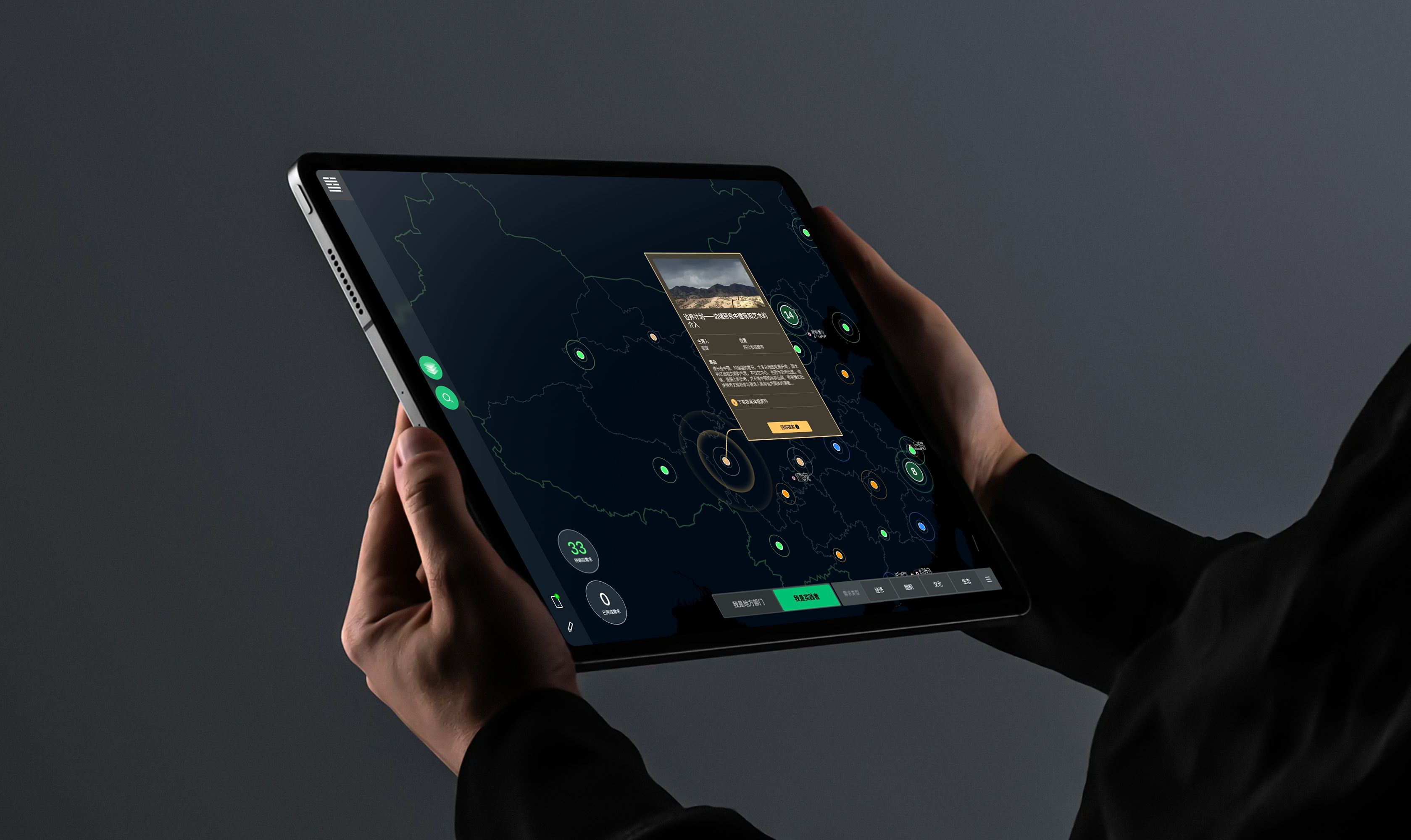
Beautiful China Digital Platform · Perception Map System
Editor: STOYARD BEIJING2026-09-11
2024
"Beautiful China" is a long-term public cultural practice for ecological civilization, rural revitalization, urban renewal, community construction, art township construction and social aesthetic education. What it focuses on is not the display of a single project, but the action network of different regions, different institutions and different practitioners in the whole country.
In this context, what the project needs is not just a static website or exhibition page, but a digital platform that can carry content, cases, research results and collaborative relationships for a long time. It should not only help the public understand the practice site of "beautiful China", but also make local needs, practitioner experience and social resources more clearly visible, retrieved and connected.
Therefore, STOYARD work in this project is not just to complete the visual presentation, but to help the project establish a digital portal for public communication, cross-regional display and continuous collaboration through the official website, visual image and beautiful China perception map system.



The Beautiful China Research Institute of the China Academy of Art has established the “Beautiful China Case Database,” which selects outstanding examples from a wealth of materials, showcasing how cultural and artistic forces across the country have contributed to the construction of Beautiful China.
Therefore, a digital platform needs to handle three tasks simultaneously:
1. External display
2. Case organization
3. Collaborative Connections


We reorganize the information architecture of the platform based on national cases, and organize projects, regions, topics and participants into the same content system. The homepage is not only the result display, but also the navigation function of understanding the project, finding cases and entering the map.
The clear hierarchy and continuously updated content mechanism enable complex public cultural practices to be quickly understood by the public, and also reserve expansion space for follow-up research and dissemination.


1/0


1/0
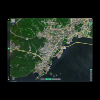
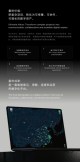
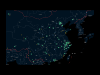
Perceptual maps transform abstract data into explorable geographical interfaces. Users can observe the distribution of cases from a national perspective, or they can filter through regions, practice types and keywords layer by layer to discover the context of action in different regions in spatial relationships.
The desktop and mobile terminals use consistent interaction logic to keep query, browsing and positioning consistent on different devices. The map is therefore no longer just a display of results, but a core tool for understanding the "Beautiful China" practice network.

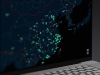
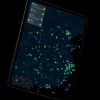
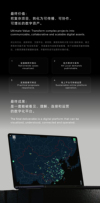
Starting from the design system, we have planned the interface experience of computer, iPad and mobile phone. Adjust the information density, content level and interaction path for different screen sizes, usage scenarios and operation modes, while keeping the visual language, component specifications and functional logic consistent.
This responsive design is not a simple zoom page, but allows map browsing, case retrieval and content reading to be naturally connected on different devices, establishing a stable and reusable design foundation for subsequent iterations and functional expansion of the platform.





1/0
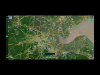
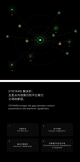
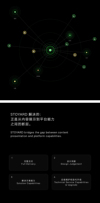
Each map node corresponds to a specific practice. Through layered information cards, users can quickly learn about the project’s theme, location, participating organizations, and activities, and then proceed to read the full case study.
By controlling information density, hierarchy, and operational feedback, we ensure that a large number of cases remain clear, comparable, and traceable, striking a balance between exploratory engagement and reading efficiency.


1/0

We deposit navigation, filtering, map nodes, information cards, labels, buttons, ICON and content modules into a unified component system, and systematically define fonts, colors, spacing, status feedback and responsive rules. Different components can be flexibly combined based on content and use cases, while maintaining a consistent visual language and interaction logic.

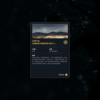



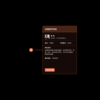



The platform further connects local needs, practitioner experience and social resources. Case collection and engagement portals allow different roles to submit information, establish connections, and evolve into a continuously updated public knowledge network.
The website, case library and perception map together form an open digital portal: both to record ongoing practices and to support new actions to be discovered, connected and continue to grow.

00:00
https://www.caa.edu.cn/info/1204/1317.htm
https://tidenews.com.cn/news.html?id=3196488
Thank for you.
Contact