# 医疗软件设计:真正重要的不是功能更多,而是让每一次决定更安全 - ID: 88 - URL: https://www.stoyard.com/viewpoint/88 - English URL: https://www.stoyard.com/en/viewpoint/88 - Category: 设计思维 - English Category: Design Thinking - English Title: Medical software design: what really matters is not more features, but making every decision safer ## 中文主体 > 医疗软件的价值,不在于功能列表有多长,而在于它能否在真实临床环境中,帮助正确的人在正确时间获得可靠信息、做出更安全的决定。本文从产品边界、临床风险、工作流、界面、AI、数据安全与研发证据七个方面,探讨医疗数字产品应当如何被设计。  今天,越来越多的医疗服务正在被软件重新组织。 预约、问诊、病历、医嘱、护理、检查、随访,乃至诊断与治疗决策,都可能通过一个数字界面完成。对普通软件而言,一次设计失误也许只是让用户多走一步;但在医疗场景中,一条被忽略的异常数据、一个容易混淆的计量单位、一次错误的患者选择,都可能产生远超屏幕之外的后果。 因此,评价一款医疗软件是否出色,不能只看它拥有多少功能,也不能只看界面是否简洁、操作是否流畅。更重要的问题是: ### 它能否在真实医疗场景中,帮助正确的人,在正确时间做出更安全的决定,并让全过程可验证、可追溯、可恢复? 这应当成为医疗软件设计的起点。 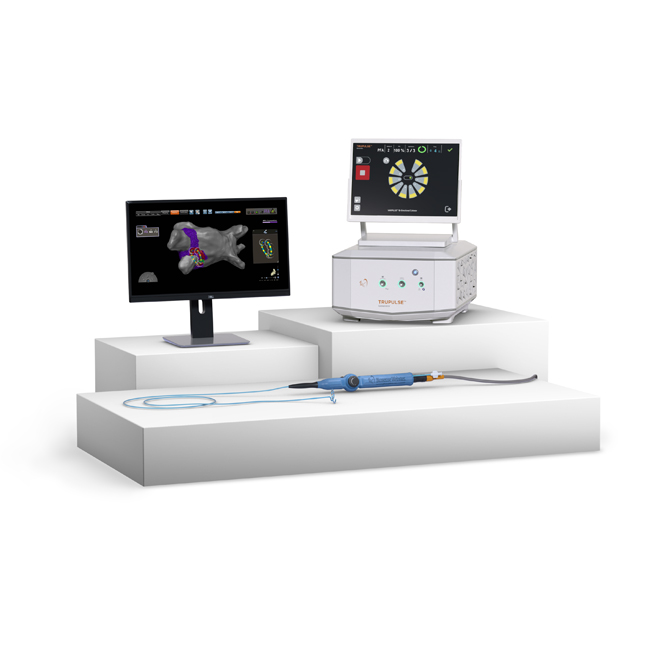 我们这次重点研究的对象是VARIPULSETM Platform From Johnson & Johnson MedTech,https://www.jnjmedtech.com/en-US/products/cardiovascular/carto/support/#flexblocks_base_1 ### 一、先定义边界,再开始设计 “医疗软件”并不是单一品类。 医院管理系统关注预约、收费、库存和排班;临床工作系统承载病历、医嘱、护理与检查;患者端产品连接随访、健康管理和用药提醒;临床决策支持系统则可能提供风险评分、诊疗建议或预警。进一步向前,还有辅助诊断、生命体征监测、治疗控制以及各类医疗 AI 产品。 不同产品看起来都在处理医疗信息,承担的责任却完全不同。 一个展示健康知识的页面,与一个影响医生诊断的算法结果,不能采用同一套产品标准。软件的输出越接近诊断、治疗和患者安全,其设计、验证、变更与监管要求就越严格。 所以,在讨论页面、功能和技术架构之前,团队首先要明确三个问题:软件服务谁、参与哪一段医疗流程、错误输出可能带来什么后果。 产品边界一旦模糊,后续的体验设计、权限体系、风险控制和合规工作都会失去准确基础。 ## ### 二、医疗体验设计的起点,不是需求清单,而是风险清单 传统产品设计常从“用户想完成什么”出发。医疗软件还需要多问一步:当用户操作错误、数据异常或系统失效时,会发生什么? 例如: - 是否可能选错患者? - 剂量、单位、时间或身体左右侧是否容易混淆? - 数据缺失、延迟或过期时,系统是否仍会给出结论? - 网络中断或外部接口失败后,关键工作能否继续? - 用户能否撤销错误操作,系统是否保留修改前后的记录? - 当 AI 给出错误建议时,人是否有机会发现并阻止它? 这些问题不是上线前测试阶段才需要补充的检查项,而应当直接参与产品结构和交互逻辑的形成。 真正有效的风险控制也有明确顺序:首先尝试从设计上消除危险;无法完全消除时,再通过校验、联锁、权限和保护机制降低风险;警告文字和人员培训应当是最后一道防线,而不是主要解决方案。 例如,与其在页面角落提示“请注意患者信息”,不如让患者姓名、身份标识、过敏史和当前就诊状态持续可见;与其频繁弹出“请谨慎操作”,不如只在高风险节点进行具有上下文的确认。 **安全不是页面上增加一个提示图标,而是把错误变得更难发生,让异常更容易被发现。** ### ### 三、设计应围绕临床工作流,而不是功能菜单 医疗软件最常见的问题之一,是把组织架构或功能模块直接翻译成导航菜单,却忽略了使用者真正的工作过程。 医生、护士、检验人员和患者面对的,从来不是孤立功能。他们面对的是一段有前后关系、有时间压力、会被不断打断的任务。 一名护士可能戴着手套,在病区移动中完成信息核对;一名急诊医生可能需要在极短时间内读取多源数据;检验结果可能来自 LIS,影像来自 PACS,患者身份和医嘱来自 HIS;正常状态下成立的操作步骤,在紧急状态下可能完全不可用。 因此,医疗 UX 不能只在会议室里依靠流程图完成。设计团队需要进入真实现场,观察用户使用什么设备、在什么环境中工作、信息从哪里来、在哪一步停顿、哪些动作被重复、哪些信息容易被遗漏。 设计优化的重点也不是机械地追求“少一次点击”。一次有意义的核对可能比一步直达更安全。真正应该减少的,是重复录入、无意义跳转、反复查找和缺乏上下文的确认。 好的工作流设计,会让信息在需要时自然出现,让关键动作在正确节点发生,并让不同角色在同一条医疗链路中保持清晰协作。 ### 四、医疗界面必须让关键信息更快被看见,也更难被误解 在普通消费产品中,界面可以强调情绪、探索与个性;在医疗系统中,视觉表达首先承担识别、判断和防错责任。 一条医疗数据不应只是一个数字。它还需要同时说明单位、参考范围、采集时间、数据来源以及是否已经审核。异常结果不能只依赖颜色,因为颜色可能受到环境、设备和用户视觉能力的影响。相似药名、相近患者、不同剂型和计量单位,需要通过信息结构建立足够明确的差异。 界面还应持续回答几个问题: - 当前看到的是哪位患者的数据? - 数据是否完整、最新、可信? - 这是系统记录的事实、模型生成的推断,还是医务人员的判断? - 这项内容由谁在什么时候创建或修改? - 如果提交失败、信息冲突或系统离线,下一步应该做什么? 这意味着医疗界面不能只设计“理想状态”。加载、失败、离线、权限不足、数据冲突和降级运行,同样是完整体验的一部分。 警报设计尤其如此。更多警报并不必然带来更高安全性。大量低价值、重复出现的提醒会形成警报疲劳,使用户逐渐忽略真正重要的信息。高质量的警报系统,应依据风险等级、临床语境和可执行性进行分层,并明确告诉用户发生了什么、为什么重要、现在可以采取什么行动。 ## ### 五、医疗 AI 不应只是一个聊天窗口 AI 正在进入病历生成、影像识别、风险预测、知识检索和临床决策等场景。但把大模型接入一个对话框,并不等于完成了医疗 AI 产品设计。 **医疗 AI 首先应当是一个可识别、可限制、可监督的系统组件。** 用户需要知道模型使用了哪些输入数据、数据来自何时、结论依据是什么、适用于什么范围、有哪些已知限制。当输入不完整或模型置信度不足时,系统应明确提示不确定性,而不是继续输出看似完整的答案。 同时,模型版本、知识库版本、调用记录、人工确认与修改都应被保留。AI 生成内容进入病历后,也应与人工内容明确区分,避免机器推断在流转中被误认为已经确认的临床事实。 对于诊断、医嘱、剂量等高风险结果,生成能力不能直接连接执行能力。结构化规则校验、适应证和禁忌核对、权限控制以及明确的人工审批,都是必要的安全边界。 换句话说,医疗 AI 的核心竞争力不只是“回答得像不像专家”,而是系统能否正确表达自己的能力边界,并在人机协作中保持可控。 ### 六、隐私与安全不是后台问题,而是产品体验的一部分 医疗健康信息高度敏感。数据一旦被滥用或泄露,影响的不只是账户安全,还可能涉及患者尊严、社会关系与现实权益。 因此,隐私和安全不能等产品完成后再交给技术或法务补充,而要进入产品架构与服务流程。 系统应尽量减少不必要的数据采集,依据岗位、机构和患者关系分配权限,对传输和存储过程进行保护,并对导出、共享、批量查询和敏感字段访问设置更严格的控制。数据保留、删除、备份、灾难恢复与安全事件响应,也需要在产品设计阶段被明确。 审计能力则是医疗系统可信度的重要基础。一套完整记录,应能够回答:谁在什么时候,查看或修改了哪位患者的哪些数据;修改前后有什么变化;这一行为基于什么权限;出现问题后能否还原过程。 对用户而言,安全并不意味着层层阻碍。优秀的权限和安全设计,应当在不打断正常工作的前提下,让不合理的访问更难发生,让高风险行为留下清晰证据。 ### ### 七、从“交付功能”转向“交付证据” 普通软件常以“功能是否完成”判断项目进度。医疗软件还必须证明:它为什么值得被信任。 团队需要建立一条贯穿产品全生命周期的证据链: 临床需求 → 产品需求 → 风险 → 设计 → 实现 → 测试 → 发布版本 → 上线监测 每一项高风险需求都应有相应控制措施,每一项控制措施都应被验证。关键算法需要证明达到预期性能,目标用户需要在接近真实的环境中完成关键任务,每次功能或模型变更也要评估它可能影响哪些流程、风险和验证结果。 这会改变团队对设计交付物的理解。原型不仅用于呈现页面,也用于验证关键任务;设计规范不仅统一视觉,也要说明状态、权限与异常规则;用户测试不只关注“是否喜欢”,更要确认用户能否正确理解信息、完成任务并从错误中安全恢复。 对于医疗软件而言,设计不是研发之前的一次美化工作,而是连接临床需求、风险管理、技术实现与验证证据的核心过程。 ## ### 结语:安全感来自一套看得见的秩序 医疗数字化正在快速发展,但真正出色的产品,往往并不以功能数量取胜。 它能够让身份始终清楚,让数据带有时间和来源,让系统事实与模型推断彼此分离;它能在错误发生之前进行预防,在异常出现时帮助用户察觉,在系统失效后提供安全的退路;它也能让每一项重要决定被解释、被追溯、被验证。 最终,我们可以用五个问题重新审视一款医疗软件: - 它是否改善了明确的临床结果或工作效率? - 当用户犯错时,系统是否能够预防、发现或帮助其安全恢复? - 每一个重要结论是否可解释、可追溯? - 当系统或 AI 失效时,医疗工作能否安全继续? - 产品是否拥有足够证据,证明其安全、有效并持续受控? 在 STOYARD 看来,医疗软件设计的价值,正是在复杂技术、临床任务与人的判断之间建立清晰秩序。视觉、交互、内容与技术并非彼此独立的环节,它们共同决定信息能否被准确理解、风险能否被及时识别、信任能否真正建立。 真正好的医疗软件,不只是帮助人把事情做完。 **它还应帮助人把重要的事情做对。** ### ### 参考资料 - [FDA:Applying Human Factors and Usability Engineering to Medical Devices](https://www.fda.gov/regulatory-information/search-fda-guidance-documents/applying-human-factors-and-usability-engineering-medical-devices) - [FDA:Medical Device Software Guidance Navigator](https://www.fda.gov/medical-devices/regulatory-accelerator/medical-device-software-guidance-navigator) - [《中华人民共和国个人信息保护法》](https://www.miit.gov.cn/jgsj/zfs/fl/art/2022/art_515a4b20c12f430eab54bb4f56d89f56.html) ## English Content > The value of medical software is not in the size of the list of features, but in whether it can help the right people get reliable information and make safer decisions at the right time in a real clinical environment. This paper discusses how medical digi Today, more and more healthcare services are being reorganized by software. Appointments, visits, medical records, doctor's orders, care, examinations, follow-up, and even diagnosis and treatment decisions may be made through a digital interface. For ordinary software, a design error may only allow users to take one more step. However, in a medical scenario, a neglected abnormal data, a unit of measurement that is easy to confuse, and a wrong patient selection may have consequences far beyond the screen. Therefore, to evaluate whether a medical software is excellent, one cannot only look at how many functions it has, nor can one only look at whether the interface is simple and the operation is smooth. The more important question is: Can it help the right people make safer decisions at the right time and make the whole process verifiable, traceable and recoverable? This should be the starting point for medical software design. ### 1. define boundaries before you start designing "Medical software" is not a single category. Hospital management systems focus on appointments, fees, inventory and scheduling; clinical work systems carry medical records, doctor's orders, care and examinations; patient-side product connection follow-up, health management and medication reminders; and clinical decision support systems may provide risk scores, diagnosis and treatment recommendations or early warnings. Further forward, there are auxiliary diagnosis, vital signs monitoring, treatment control and various medical AI products. Different products seem to handle medical information, but bear completely different responsibilities. A page that displays health knowledge and an algorithm that affects a doctor's diagnosis cannot use the same set of product standards. The closer the output of the software is to diagnosis, treatment and patient safety, the more stringent its design, validation, change and regulatory requirements. Therefore, before discussing the page, function and technical architecture, the team must first clarify three questions: who the software serves, which medical process is involved in, and what consequences the error output may bring. Once the product boundary is blurred, the subsequent experience design, authority system, risk control and compliance work will lose the accurate basis. ## ### The starting point of 2. medical experience design is not a list of requirements, but a list of risks. Traditional product design often starts from "what the user wants to accomplish. Medical software also needs to ask one more step: What happens when a user makes an error, a data anomaly, or a system failure? For example: - Is it possible to choose the wrong patient? - Is it easy to confuse dose, unit, time, or left and right sides of the body? - Does the system still give conclusions when data is missing, delayed, or out of date? - Can critical work continue after a network outage or external interface failure? - Can the user undo the wrong operation and does the system keep the records before and after the modification? - When a AI gives wrong advice, does the person have a chance to spot it and stop it? These issues are not additional checks that need to be added to the pre-launch testing phase, but should be directly involved in the formation of product structure and interaction logic. Truly effective risk control also has a clear sequence: first try to eliminate the danger from the design; When it cannot be completely eliminated, reduce the risk through verification, interlocking, authority and protection mechanism. Warning text and personnel training should be the last line of defense, not the main solution. For example, instead of prompting "please pay attention to patient information" in the corner of the page, it is better to keep the patient's name, identification, allergy history and current treatment status visible. Instead of frequently popping up "please operate with caution", it is better to confirm with context only at high-risk nodes. **Security is not adding a prompt icon to the page, but making errors more difficult to occur and making exceptions easier to find.** ### 3. design should be around clinical workflows, not functional menus One of the most common problems with medical software is the translation of organizational or functional modules directly into navigation menus, ignoring the user's real work process. Doctors, nurses, inspectors and patients are never isolated functions. They are faced with a task that is contextual, time-stressed, and constantly interrupted. A nurse may wear gloves and complete information verification during ward movement. An emergency doctor may need to read multi-source data in a very short time. Test results may come from LIS, images from PACS, patient identity and doctor's orders from HIS. Operating procedures established under normal conditions may not be available at all in emergency conditions. As a result, medical UX can't just be done in a conference room relying on flowcharts. The design team needs to enter the real scene and observe what equipment users use, what environment they work in, where the information comes from, where they pause, what actions are repeated, and what information is easily missed. The focus of design optimization is not to pursue "one click less" mechanically ". A meaningful check-up may be safer than a one-step direct. What should really be reduced is repeated entry, meaningless jump, repeated search and lack of context confirmation. Good workflow design allows information to appear naturally when needed, allows key actions to occur at the right nodes, and allows different roles to maintain clear collaboration in the same medical link. ### 4. medical interfaces must make critical information more visible and less likely to be misunderstood In ordinary consumer products, the interface can emphasize emotion, exploration and personality; in the medical system, visual expression first assumes the responsibility of identification, judgment and error prevention. A piece of medical data should not be just a number. It also needs to explain the unit, reference range, collection time, data source and whether it has been audited. Anomaly results cannot rely solely on color, as color can be affected by the environment, the device, and the visual capabilities of the user. Similar drug names, similar patients, different dosage forms and units of measurement need to establish sufficiently clear differences through the information structure. The interface should also answer several questions on an ongoing basis: - Which patient's data are you currently seeing? - Is the data complete, up-to-date and credible? - Is this a fact recorded by the system, an inference generated by the model, or a judgment made by the medical staff? - Who created or modified this content and when? - If a commit fails, information conflicts, or the system goes offline, what should be done next? This means that the medical interface cannot be designed only to be "ideal". Loads, failures, offline, insufficient permissions, data conflicts, and degraded runs are also part of the complete experience. This is especially true of alarm design. More alerts do not necessarily lead to higher security. A large number of low-value, recurring reminders can create alarm fatigue, causing users to gradually ignore the really important information. A high-quality alert system should be stratified according to risk level, clinical context and enforceability, and clearly tell the user what happened, why it is important, and what actions can be taken now. ## ### 5. medical AI should not be just a chat window AI are entering scenarios such as medical record generation, image recognition, risk prediction, knowledge retrieval, and clinical decision-making. But the big model into a dialog box, does not mean that the completion of the medical AI product design. **A medical AI should first be a system component that can be identified, limited, and supervised.** Users need to know what input data the model uses, when the data comes from, what the conclusions are based on, what scope they apply to, and what are the known limitations. When the input is incomplete or the model has insufficient confidence, the system should explicitly prompt uncertainty instead of continuing to output seemingly complete answers. At the same time, the model version, knowledge base version, call records, manual confirmation and modification should be retained. After the AI-generated content enters the medical record, it should also be clearly distinguished from the manual content to avoid the machine inferring the clinical facts that have been mistaken for confirmation in the circulation. For high-risk results such as diagnosis, doctor's orders, dosage, etc., the generation ability cannot be directly connected to the execution ability. Structured rule verification, indications and contraindications, authority control, and clear manual approval are all necessary safety boundaries. In other words, the core competitiveness of the medical AI is not just "whether the answer is like an expert", but whether the system can correctly express its ability boundaries and maintain control in human-computer cooperation. ### 6. privacy and security is not a back-office issue, but part of the product experience Healthcare information is highly sensitive. Once the data is abused or leaked, the impact is not only the account security, but also the dignity of patients, social relations and real rights and interests. Therefore, privacy and security cannot be handed over to technology or legal supplement after the product is completed, but must enter the product architecture and service process. The system should minimize unnecessary data collection, assign permissions based on position, institution, and patient relationships, protect transmission and storage procedures, and set stricter controls on export, sharing, batch query, and sensitive field access. Data retention, deletion, backup, disaster recovery and security incident response also need to be specified during the product design phase. Audit ability is an important basis for the credibility of the medical system. A complete set of records should be able to answer: who viewed or modified what data for which patient when; What changes before and after the modification; What permissions are based on this behavior; Can the process be restored after a problem occurs. For users, security does not mean barriers. Good permissions and security design should make unreasonable access more difficult and leave clear evidence of high-risk behavior without interrupting normal work. ### 7. move from "delivery function" to "delivery evidence" Ordinary software often uses "whether the function is completed" to judge the progress of the project. Medical software must also demonstrate why it is trustworthy. The team needs to establish a chain of evidence throughout the product life cycle: Clinical demand → product demand → risk → design → implementation → testing → release version → online monitoring Each high-risk requirement should have corresponding control measures, and each control measure should be verified. Key algorithms need to demonstrate expected performance, target users need to complete key tasks in a near-real-world environment, and each feature or model change needs to assess what processes, risks, and validation results it may affect. This will change the team’s understanding of the design deliverables. Prototypes are not only used to render pages, but also to verify key tasks. Design specifications not only unify vision, but also explain status, permissions and exception rules. User testing not only focuses on "whether you like it", but also confirms whether users can correctly understand information, complete tasks and safely recover from errors. For medical software, design is not a beautification before development, but a core process that connects clinical needs, risk management, technology implementation and validation evidence. ## ### Conclusion: Security comes from a visible order. Medical digitization is advancing rapidly, but the truly outstanding products often do not win by the number of functions. It can keep the identity clear, keep the data with time and source, and separate the system facts from the model inference. It can prevent errors before they occur, help users detect anomalies when they occur, and provide a safe retreat after system failure. It also allows every important decision to be explained, traced and verified. Ultimately, we can revisit a medical software with five questions: - Does it improve definitive clinical outcomes or productivity? - When a user makes a mistake, can the system prevent it, detect it, or help it recover safely? - Is each important conclusion explainable and traceable? - Can medical work continue safely when systems or AI fail? - Does the product have sufficient evidence that it is safe, effective and continuously controlled? In STOYARD view, the value of medical software design is to establish a clear order between complex technology, clinical tasks and human judgment. Vision, interaction, content and technology are not independent links. They together determine whether information can be accurately understood, risks can be identified in time, and trust can be truly established. Really good medical software doesn't just help people get things done. **It should also help people do important things right.** ### References - [FDA: 将人为因素和可用性工程应用于医疗器械](https://www.fda.gov/regulatory-information/search-fda-guidance-documents/applying-human-factors-and-usability-engineering-medical-devices) - [FDA: 医疗器械软件指南Navigator](https://www.fda.gov/medical-devices/regulatory-accelerator/medical-device-software-guidance-navigator) - [Personal Information Protection Act of the People's Republic of China](https://www.miit.gov.cn/jgsj/zfs/fl/art/2022/art_515a4b20c12f430eab54bb4f56d89f56.html)