# 英伟芯:让光电融合被理解 - ID: 87 - URL: https://www.stoyard.com/viewpoint/87 - English URL: https://www.stoyard.com/en/viewpoint/87 - Category: 客户故事 - English Category: Customer Story - English Title: Yingwei Core: Let Photoelectric Fusion be Understood ## 中文主体 > 英伟芯是一家面向数据中心光互连等领域的光电集成技术企业。STOYARD 在这一项目中,围绕品牌升级、视觉创意与数字体验,建立从技术特征到品牌识别、从产品信息到用户行动的表达秩序。  对光电集成企业而言,对外沟通的难点,是让不同专业背景的读者准确理解技术与业务之间的关系。硅光芯片、先进封装、光电异质集成等概念,能够描述技术方向,却不能自动回答产业客户最关心的问题:企业提供什么,适用于哪些场景,具备哪些支撑能力,以及如何开始合作。 英伟芯是一家面向数据中心光互连等领域的光电集成技术企业。STOYARD 在这一项目中,围绕品牌升级、视觉创意与数字体验,建立从技术特征到品牌识别、从产品信息到用户行动的表达秩序。 **我们的核心判断是:硬科技品牌的专业性,需要通过清晰的结构和可核实的内容建立。设计负责组织认知,数字体验负责承接判断,两者共同帮助技术价值进入实际沟通。** 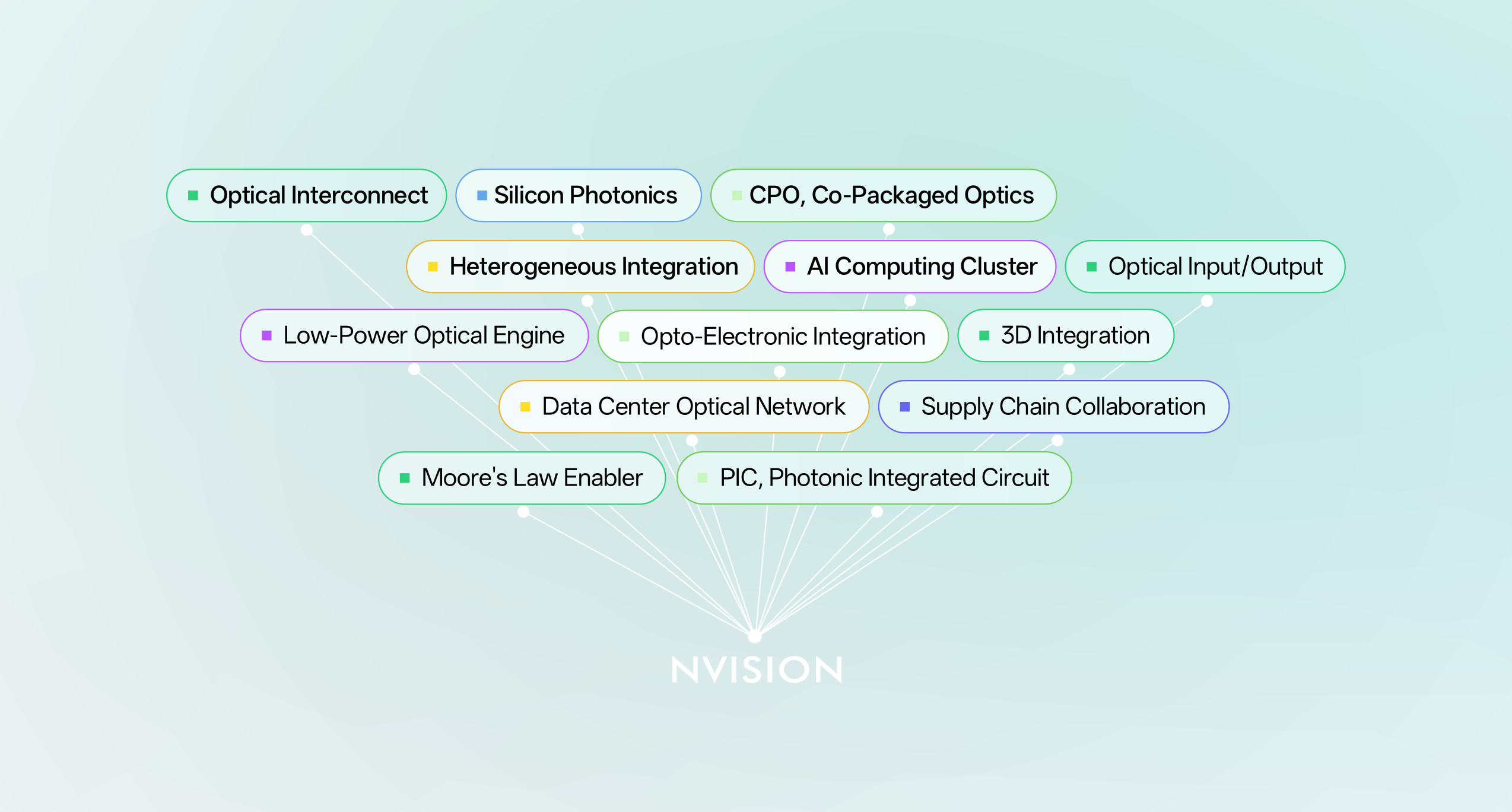 #### #### #### 1. 项目挑战:把技术方向讲成业务关系 英伟芯的技术表达涉及光芯片、电芯片及其集成关系。对专业读者而言,这些概念需要进一步落到产品架构、性能参数与应用条件;对初次接触企业的合作伙伴和人才而言,则需要先建立对企业方向的基本认识。 这意味着,对外表达需要同时处理两种阅读任务:让读者迅速获得整体理解,也让有明确需求的人找到足够具体的信息。只有品牌口号,难以支撑技术评估;直接堆叠参数,又容易让读者失去阅读路径。 因此,项目需要建立一套有层次的沟通方式:先明确企业所解决的问题,再呈现产品与应用,随后补充技术能力和合作入口。品牌识别与数字内容应围绕同一条逻辑工作,减少读者在不同触点之间重新理解企业的成本。 #### 2. 品牌设计:用形式建立技术认知的入口 标识设计从英伟芯的核心技术特征出发,将品牌首字母“N”与光电融合的关系结合。实块与弧线形成相互嵌合的结构:实块承载硅基材料与电路系统的设计隐喻,弧线对应光波传播的路径,两者的结合表达光与电的集成关系。 这里的关键,是选择一个能够贯穿品牌的视觉逻辑。标识不承担解释完整技术原理的任务,而是提供稳定的识别入口,让名称、图形与技术方向之间形成可被记住的联系。 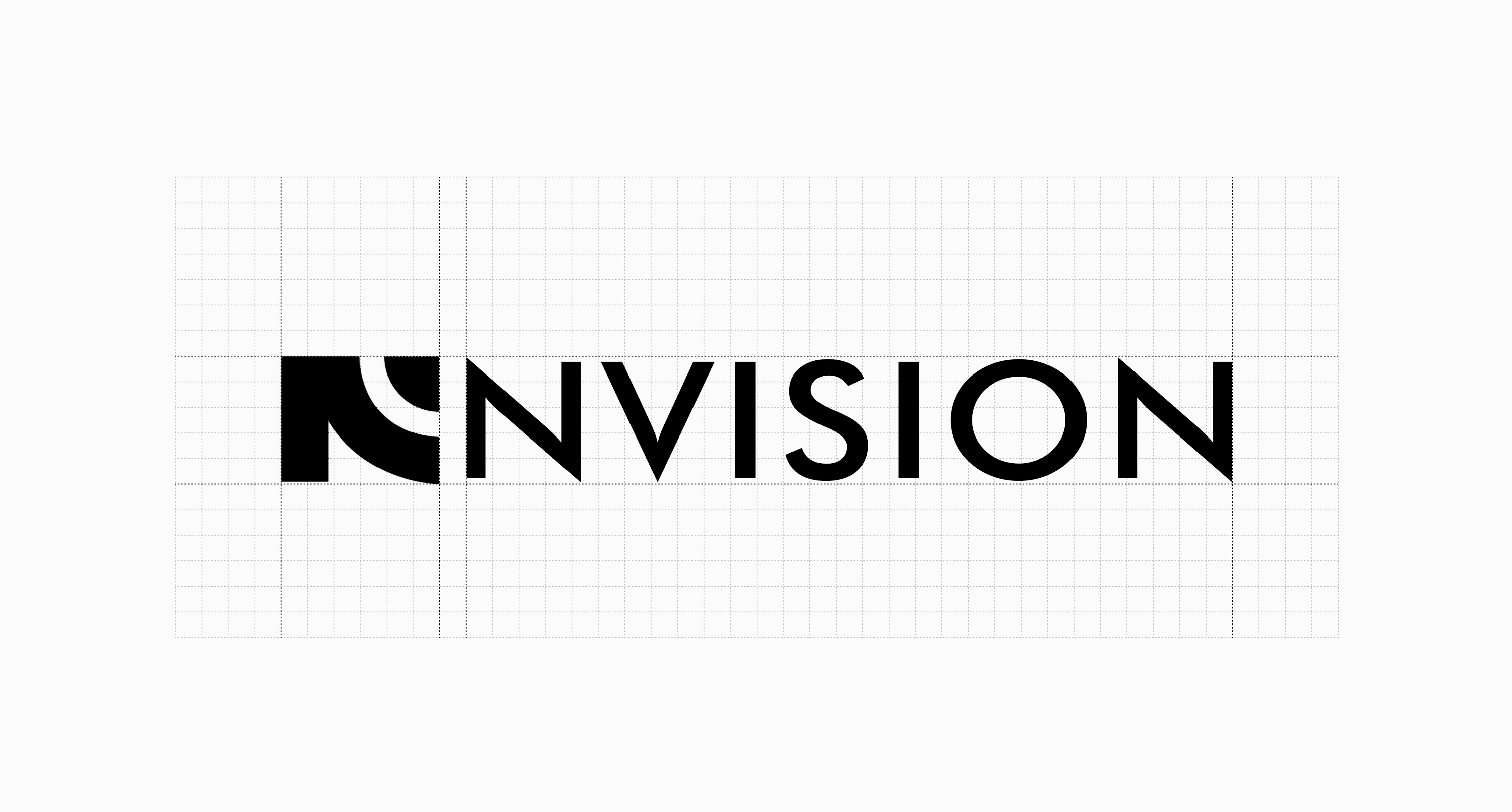 英伟芯 NVISION 标识与字标构成。实块与弧线的组合,将光电融合转化为品牌识别的视觉线索。 网格与几何构成进一步约束了图形和字标的关系,使标识能够在不同尺寸与应用场景中保持一致。对于需要面对产业客户、合作伙伴与专业人才的企业,这种一致性有实际意义:每一次接触都应累积同一个品牌印象。 项目中的招聘传播物料延续了这一表达。企业名称、技术主张、业务介绍与投递方式形成明确层级,让读者从认识企业进入具体行动。品牌系统由此成为可以重复使用的沟通工具。 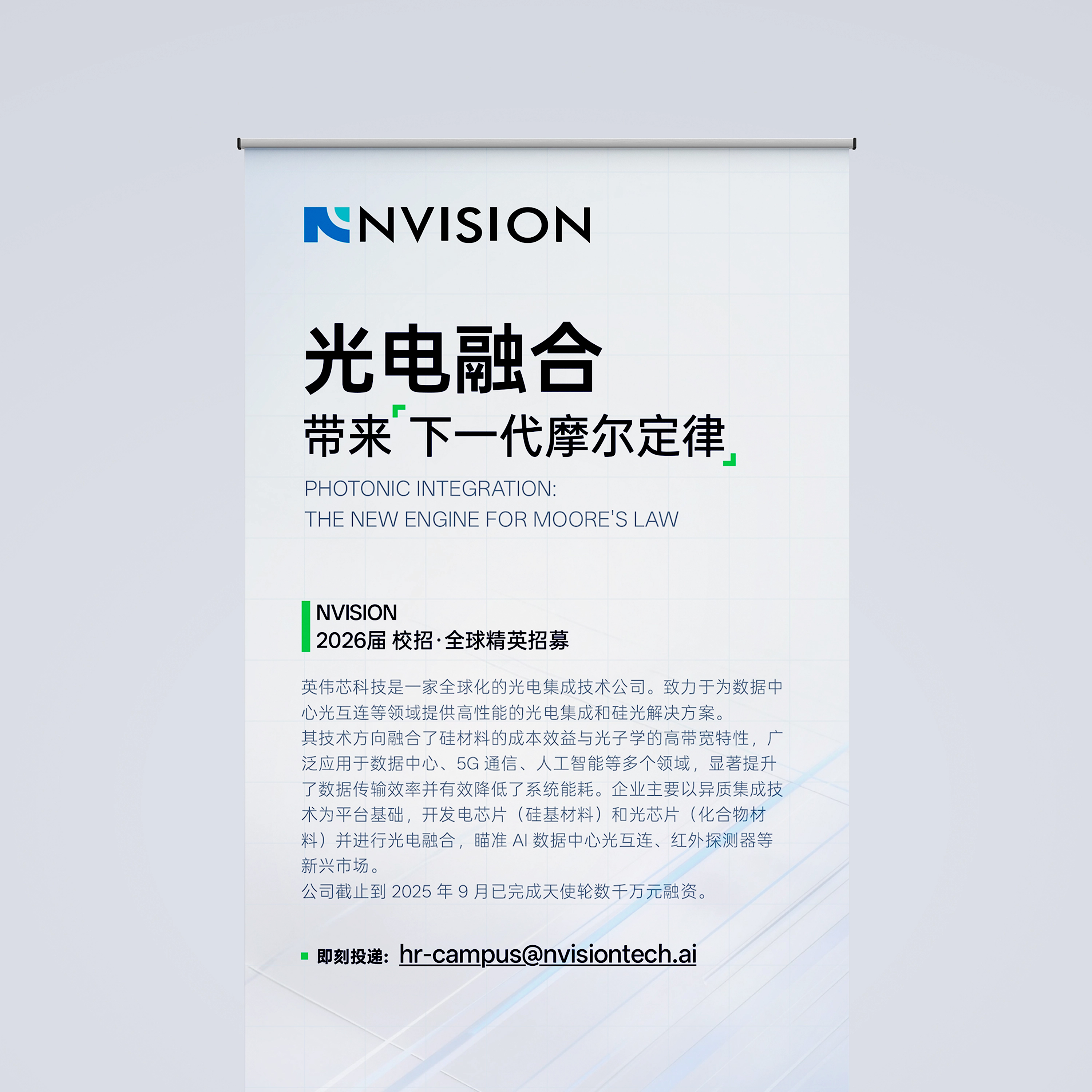 英伟芯招聘传播物料应用。画面中的技术主张与企业信息为物料原有内容,本文不将其作为技术性能或融资成果的独立证明。 #### 3. 数字体验:让产品信息支持专业判断 品牌识别建立了第一层认知,官网则需要继续回答更具体的问题。以英伟芯当前公开网站为观察对象,产品解决方案、核心优势、应用场景与联系渠道构成了进一步了解企业的内容路径。 1. 先建立产品全貌。**网站按 PIC、NPO / CPO、OIO 等方向组织产品信息,使读者先看到产品布局,再进入具体产品。分类承担的是定位任务:帮助用户判断哪一类内容与自己的需求有关。 2. 再提供评估依据。**产品内容继续展开应用描述、核心优势与关键参数。例如,1.6T DR8 硅光芯片的信息包含波段、通道数量、单波速率与耦合方式等维度。参数与产品语境一起呈现,读者才能理解这些信息对应什么用途。 3. 把产品放回应用场景。**网站区分面向 GPU / ASIC 的光互连与面向超大规模数据中心的高速光互连,将产品信息连接到不同的部署需求。对 B2B 官网而言,这一步有助于用户从“企业有什么”推进到“这些能力与我的系统有什么关系”。 4. 为进一步沟通提供入口。**联系页面区分销售、招聘与校园招聘邮箱,使不同目的的访问者能够找到对应渠道。清楚的联系路径,为兴趣转化为后续沟通提供了必要条件。 这些内容关系需要由界面与技术共同落实。产品分类、详情展开、中英文入口及移动端内容布局,都需要在实际使用中保持清楚的对应关系。技术服务的价值,在于让设计建立的信息秩序成为可访问、可阅读、可行动的数字体验。 本文对数字体验的分析以当前公开页面为依据。后台架构、内部维护流程与性能指标未在公开资料中得到确认,因此不将它们列为本项目已验证的交付成果。 #### 4. 项目价值:形成连续的沟通链路,为更多的潜在合作机会搭台 从标识到传播物料,再到官网内容,项目价值可以沿着一条连续的链路理解:品牌帮助读者识别企业,内容帮助读者理解业务,产品与应用信息支持专业评估,明确的入口承接进一步沟通。 观点方法示意:通过品牌识别、业务理解、专业评估和沟通入口,将技术能力组织为可供用户判断的信息链路。 STOYARD / 项目复盘 从技术能力到合作沟通 设计组织认知,数字体验承接判断 01 品牌识别 名称、标识与视觉语言:这是谁? 02 业务理解 产品分类与应用场景:与我的需求有什么关系? 03 专业评估 产品参数与能力说明:有哪些可供判断的依据? 04 沟通入口 销售与人才联系渠道:下一步如何行动?  基于本项目整理的沟通链路,不代表销售漏斗数据或实际转化效果。 **这套链路的价值,是减少信息断点。**读者不必从一组抽象概念自行推导企业定位,也不必在形成兴趣后重新寻找联系对象。视觉、内容与交互各自承担清楚的任务,共同支持用户完成判断。 项目原作呈现了品牌识别与传播应用的统一,当前官网则提供了产品、技术能力与应用场景的结构化阅读入口。这些是可以观察到的成果。它们为降低理解成本、保持专业表达和开展后续沟通提供了基础;销售增长、招聘效率或询盘转化的具体提升,仍需结合实际运营数据评估。 对于技术复杂、需要长期建立产业信任的企业,品牌数字化值得投入的原因,在于形成一套能够持续使用的业务表达体系。STOYARD 通过品牌设计、官网信息架构与数字体验的协作,帮助企业把专业能力组织成客户能够理解、评估并继续沟通的内容资产。 #### 结语 对于硅光、半导体与先进制造企业而言,品牌和官网承担着重要的沟通任务:让产业客户理解技术方向,让合作伙伴判断产品与应用的关联,也让专业人才认识企业的业务与发展空间。随着产品布局和市场拓展不断推进,这些信息需要形成清晰、一致且能够持续更新的表达体系。 ### STOYARD 重视的是品牌、内容与技术共同形成的解决方案能力。我们帮助硬科技企业把复杂的技术与产品信息,转化为可识别、可理解、可评估,并能够承接进一步沟通的数字体验。 在英伟芯项目中,这套思路贯穿了品牌识别、传播应用与数字表达。标识以光电融合建立视觉线索,传播物料保持统一的品牌语言,官网则通过产品分类、技术信息、应用场景与联系渠道,支持用户从认识企业逐步进入专业判断。 这些工作的价值,在于为企业建立可重复使用的沟通基础。统一的识别系统有助于累积品牌认知,结构化的内容降低信息查找与理解成本,明确的产品和应用关系支持业务交流,清楚的联系入口则为后续合作提供路径。 对于正在规划硬科技品牌升级、半导体企业官网或 B2B 数字体验的企业,值得投入的是各个环节之间的协作:品牌能否准确表达企业方向,内容能否支持专业评估,交互能否引导用户找到所需信息,技术能否把这些设计判断落实为可用的体验,并为后续更新保留空间。 英伟芯项目的意义也在这里。它将光电集成这一专业技术方向,组织为相互衔接的品牌与数字表达,为企业持续开展产品传播、产业沟通和人才交流建立了基础。 #### 关键词 硬科技品牌升级、半导体企业官网设计、硅光企业官网、光电集成品牌设计、B2B 官网建设、技术价值可视化、官网信息架构、数字体验设计、品牌数字化、英伟芯 NVISION、STOYARD 数字设计。 **如果你正在寻找硬科技品牌升级、半导体企业官网设计、B2B 官网建设或技术价值可视化服务,STOYARD 可以围绕品牌识别、专业内容梳理、信息架构、UI 视觉与交互、网站开发及后续维护,提供完整的数字化解决方案,帮助企业建立清晰、可信且能够持续使用的对外沟通体系。** #### 相关链接与资料来源 项目资料与原作图片:[STOYARD|英伟芯项目](https://www.stoyard.com/works/424) 产品信息、应用场景与公开数字体验:[NVISION 英伟芯官网](https://www.nvision-tech.cn/) 资料核对日期:2026 年 9 月 18 日。项目原作与当前官网属于不同时间的公开资料,本文分别说明其用途;未引用第三方媒体或学术文献。 ## English Content > Yingweixin is an optoelectronic integrated technology enterprise for data center optical interconnection and other fields. STOYARD in this project, around the brand upgrade, visual creativity and digital experience, establish from technical features to br  For optoelectronic integration companies, the challenge in external communication lies in ensuring that readers from diverse professional backgrounds can accurately grasp the relationship between technology and business. Concepts such as silicon photonics chips, advanced packaging, and optoelectronic heterogeneous integration can articulate the technological direction, but they do not automatically answer the questions that industry customers care about most: what products or services does the company offer, which scenarios are they suitable for, what supporting capabilities does it possess, and how can collaboration be initiated? Innolux is a photonic integrated circuit technology company serving sectors such as data center optical interconnects. In this project, STOYARD has established a coherent communication framework that integrates brand elevation, visual creativity, and digital experience—spanning technical attributes to brand identity, and from product information to user actions. **Our core belief is that the professionalism of hard-tech brands must be established through a clear structure and verifiable content. Design is responsible for organizing cognitive insights, while the digital experience team is responsible for translating those insights into actionable decisions; together, they help translate technical value into real-world communication.**  #### #### #### 1. Project Challenge: Framing the technical direction as a business relationship. The technical expression of Yingwei Xin involves optical chips, electrical chips, and their integration. For professional readers, these concepts need to be further translated into product architecture, performance metrics, and application scenarios; for partners and talent who are new to the company, it is first necessary to develop a basic understanding of the company’s strategic direction. This means that external communication must simultaneously address two reading tasks: enabling readers to quickly grasp the overall message while also allowing those with specific needs to find sufficiently detailed information. A brand slogan alone is insufficient to support a technical evaluation; simply piling up parameters, on the other hand, can easily cause readers to lose their way. Therefore, the project needs to establish a hierarchical communication strategy: first, clearly articulate the problem the company addresses; then, present the product and its applications; finally, highlight technical capabilities and collaboration opportunities. Brand identity and digital content should align with a consistent underlying logic, reducing the cognitive load on audiences as they navigate across different touchpoints. #### 2. Brand Design: Using Form to Create an Entry Point for Technical Awareness The logo design is inspired by InnoCore’s core technological features, integrating the brand’s initial letter “N” with the relationship between light and electricity. Solid blocks and curved lines form an interlocking structure: the solid blocks embody the design metaphor of silicon-based materials and circuit systems, while the curved lines represent the propagation paths of light waves. Their combination expresses the integrated relationship between light and electricity. The key here is to choose a visual logic that runs consistently throughout the brand. The logo does not aim to explain the full technical principles; instead, it provides a consistent point of recognition, establishing a memorable connection between the name, the graphic, and the technological direction.  Inweixin NVISION logo and wordmark composition. The combination of solid blocks and curved lines transforms the integration of light and electronics into a visual cue for brand recognition. The grid and geometric composition further constrain the relationship between the graphic and the logotype, ensuring that the mark remains consistent across different sizes and application scenarios. For companies that engage with industrial clients, partners, and professional talent, this consistency is of practical importance: every interaction should reinforce a unified brand image. The recruitment communication materials for the project continue this approach. The company name, technological proposition, business overview, and submission method are structured in a clear hierarchy, guiding readers from gaining an understanding of the company to taking concrete action. As a result, the brand system becomes a reusable communication tool.  Yingweixin recruitment communication material application. The technical claims and company information shown in the visuals are part of the original material and should not be regarded by this document as independent evidence of technical performance or financing outcomes. #### 3. Digital Experience: Enable product information to support professional decision-making. Brand identity establishes the initial layer of awareness, while the official website needs to go further by addressing more specific questions. Taking Ingenic’s current public website as the observation subject, product solutions, core advantages, application scenarios, and contact information constitute the content pathway for gaining a deeper understanding of the company. 1. First, establish a comprehensive overview of the product.**The website organizes product information by categories such as PIC, NPO/CPO, and OIO, allowing users to first view the product portfolio before navigating to individual products. Categorization serves the purpose of positioning: it helps users determine which category of content is relevant to their needs. 2. Provide the assessment criteria again.**The product content continues to elaborate on the application description, core advantages, and key parameters. For example, the information contained in a 1.6T DR8 silicon photonics chip includes dimensions such as the wavelength band, the number of channels, the single-wavelength rate, and the coupling method. Parameters should be presented together with the product context so that readers can understand their intended purpose. 3. Return the product to its intended application scenario.**The website distinguishes between optical interconnects for GPUs/ASICs and high-speed optical interconnects for hyperscale data centers, aligning product information with different deployment requirements. For a B2B corporate website, this step helps users move from understanding “what the company offers” to recognizing “how these capabilities relate to my system.” 4. Provide an entry point for further communication.**The contact page clearly separates the email addresses for sales, recruitment, and campus recruitment, enabling visitors with different purposes to find the appropriate channel. A clear communication pathway provides the necessary conditions for converting interest into follow-up engagement. These content relationships need to be implemented jointly by the interface and the technology. Product categories, detailed item expansion, Chinese and English language entry points, and mobile content layout must all maintain clear correspondences in actual use. The value of technical services lies in transforming the information architecture established through design into a digital experience that is accessible, readable, and actionable. This paper’s analysis of digital experiences is based on currently publicly available pages. The backend architecture, internal maintenance processes, and performance metrics have not been confirmed in publicly available documentation; therefore, they are not included as validated deliverables for this project. #### 4. Project Value: Establish a continuous communication channel, paving the way for more potential collaboration opportunities. From branding to marketing materials and the content on the official website, the project’s value can be understood as a continuous chain: the brand helps readers identify the company, the content helps them understand the business, product and application information supports professional evaluation, and clear entry points facilitate further engagement. Illustration of the approach: By leveraging brand identity, business understanding, professional assessment, and communication channels, technical capabilities are structured into an information pathway that users can use to make informed judgments. STOYARD/Project Retrospective: From Technical Expertise to Collaboration and Communication — Shaping Design Organizational Awareness and Evaluating Digital Experience Delivery 01 Brand Identity: Name, Logo, and Visual Language: Who is this? 02 Business Understanding: Product Categories and Use Cases: How does this relate to my needs? 03 Professional Assessment: Product Specifications and Capability Descriptions: What criteria can I use to make a judgment? 04 Communication Channels: Sales and Talent Contact Points: What’s the next step?  The communication links organized based on this project do not represent sales funnel data or actual conversion effects. **The value of this workflow lies in reducing information silos.**Readers do not need to deduce a company’s positioning from a set of abstract concepts, nor do they need to seek out contact points again once their interest has been piqued. Visual design, content, and interaction each assume distinct roles, working together to help users make informed judgments. The original project showcased a unified approach to brand identity and communication applications, while the current official website provides a structured entry point for exploring products, technical capabilities, and application scenarios. These are observable outcomes. They provide a foundation for reducing the cost of understanding, maintaining professional communication, and facilitating subsequent discussions; specific improvements in sales growth, recruitment efficiency, or inquiry conversion still need to be evaluated based on actual operational data. For enterprises with complex technologies that require long-term trust-building within the industry, investing in brand digitalization is worthwhile because it helps establish a business communication system that can be sustainably utilized. STOYARD helps businesses transform their professional expertise into content assets that customers can understand, evaluate, and engage with by seamlessly integrating brand design, website information architecture, and digital experience. #### Conclusion For silicon optical, semiconductor and advanced manufacturing enterprises, the brand and the official website bear an important communication task: let industrial customers understand the technical direction, let partners judge the relationship between products and applications, and let professionals know the business and development space of enterprises. As product layout and market expansion continue to advance, this information needs to form a clear, consistent and continuously updated presentation system. ### STOYARD value is the brand, content and technology together to form a solution capability. We help hard technology companies translate complex technology and product information into digital experiences that are identifiable, understandable, evaluable, and capable of taking on further communication. In the Yingweixin project, this set of ideas runs through brand recognition, communication application and digital expression. The logo uses photoelectric integration to establish visual clues and disseminate materials to maintain a unified brand language. Official website supports users to gradually enter professional judgment from understanding enterprises through product classification, technical information, application scenarios and contact channels. The value of these efforts lies in establishing a reusable communication foundation for the enterprise. A unified identification system helps to accumulate brand awareness, structured content reduces the cost of information search and understanding, clear product and application relationships support business communication, and clear contact portals provide a path for subsequent cooperation. For companies that are planning hard technology brand upgrades, semiconductor company official website or B2B digital experiences, it is worth investing in collaboration between various links: whether the brand can accurately express the direction of the company, whether the content can support professional evaluation, whether interaction can guide users to find the required information, whether technology can implement these design judgments into usable experiences, and reserve space for subsequent updates. The significance of the Yingweixin project is also here. It integrates the professional and technical direction of optoelectronics and organizes it into a connected brand and digital expression, which establishes the foundation for enterprises to continuously carry out product communication, industrial communication and talent exchange. #### Keywords Hard technology brand upgrade, semiconductor enterprise official website design, silicon optical enterprise official website, photoelectric integrated brand design, B2B official website construction, technical value visualization, official website information architecture, digital experience design, brand digitization, Yingwei core NVISION, STOYARD digital design. **If you are looking for hard technology brand upgrade, semiconductor enterprise official website design, B2B official website construction or technology value visualization services, STOYARD can provide complete digital solutions around brand identification, professional content sorting, information architecture, UI vision and interaction, website development and subsequent maintenance to help enterprises establish a clear, credible and sustainable external communication system.** #### Related Links and Sources Project materials and original images:[STOYARD | Yingwei Xin Project](https://www.stoyard.com/works/424) Product information, application scenarios, and public digital experiences:[NVISION Official Website](https://www.nvision-tech.cn/) Date of data verification: September 18, 2026. The original project materials and the current official website represent publicly available information from different time periods; this document clarifies the purpose of each. No third-party media or academic sources have been cited.